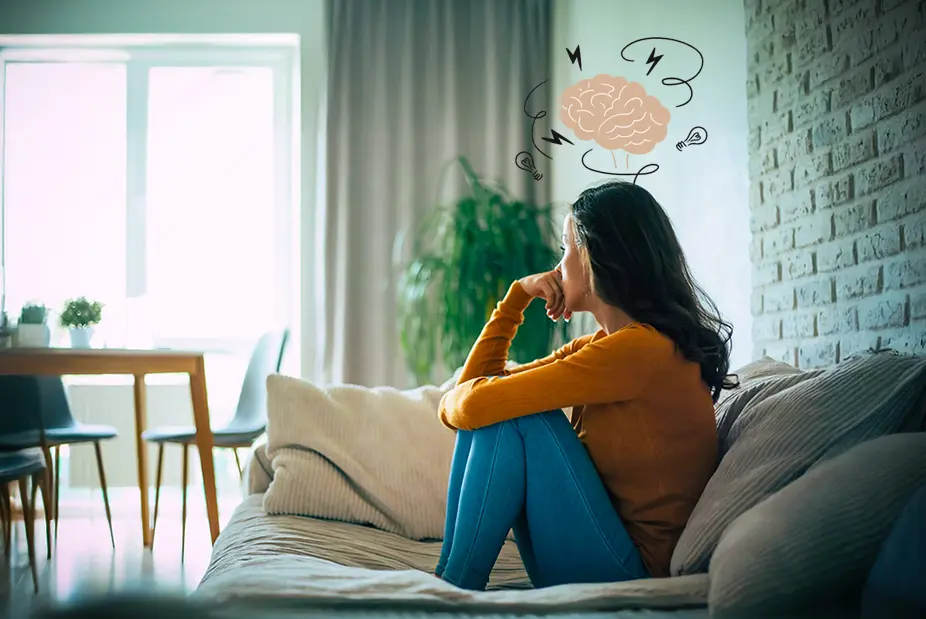
As temperatures gradually drop with the arrival of winter, many people feel down or depressed due to what’s commonly called “winter blues”. It is typically known as Seasonal Affective Disorder (SAD) – a form of depression that develops in a seasonal pattern and should be addressed in no time.
Affecting individuals mainly during the fall or early winter when days get shorter and sunlight exposure decreases, it is not a condition to overlook! It can take a toll on your mental health or daily life, making you less productive, stressed, and depressed.
Given the seriousness of SAD, you must seek professional help, understand the issue, and receive sound treatment to get back to your brighter, happier days!
Read this blog till the end to learn about SAD, its causes, and symptoms. Also, learn here how to deal with seasonal depression with effective treatment and management therapies suggested by mental health experts.
What is Seasonal Affective Disorder (SAD)?
Seasonal Affective Disorder (SAD) is a common type of depression caused by the change of seasons, typically during the fall or winter. In most cases, it appears during early winter and goes away as spring days grow brighter and sunnier. The symptoms generally start mildly as the season sets in and aggravate as it progresses. That means your SAD symptoms can even get worse during the coldest months.
Referred to as ‘winter blues’ by many, it is a kind of seasonal depression that goes much beyond making you feel a bit down. It deeply affects your personal life and daily activities, including your mood and thoughts.
Not always winter. Some can get SAD before summer – a rare form that ends before winter arrives.
Fortunately, there are effective ways to get through this winter depression or seasonal affective disorder. Approaching the right mental health expert is necessary, who knows how to cure seasonal depression.
Who mostly gets Seasonal Affective Disorder (SAD)?
Seasonal Affective Disorder affects younger adults, particularly those aged 18-30. Diagnosed more often in women, the specific factors that cause the disorder are still under study. But it happens especially to those living in regions with lower exposure to winter sun, i.e., far from the equator.
Apart from the demographic factors, SAD syndrome can also appear in individuals with a family history of depression, bipolar disorder, or other mood disorders.
People living in cloudy regions with limited sunlight exposure or those undergoing significant seasonal changes due to migration are also vulnerable to this seasonal depression.
What Causes Seasonal Depression or SAD?
Although the exact causes are still under study, many psychologists, in their attempts to treat SAD, have observed certain factors related to sunlight exposure.
- Biological clock influence
With less sunlight in the days, an individual’s biological clock shifts! That’s a significant cause of changes in the hormone level and, subsequently, mood and sleep. The change in daylight changes makes you adjust to a new daily schedule that you’re not used to, which triggers the seasonal depression. - Chemical imbalance in the brain
The brain chemical, serotonin, is responsible for transmitting signals between nerves. It mainly affects mood and has a key role in causing SAD. Reduced sunlight exposure leads to a drop in serotonin levels, which can cause a bad mood. A further drop in the level leads to seasonal depression. This factor also explains how changing seasons impact human health. - Lack of Vitamin D
It goes without saying that reduced exposure to sunlight can lead to Vitamin D deficiency. Sunlight is a natural source of the vitamin, which is processed after the skin absorbs the UVB (Ultraviolet B Radiation) rays and chemically converts them into Vitamin D3. While it helps strengthen bone health and immunity, the lack of vitamin D affects serotonin levels and triggers the symptoms of SAD. - Overproduction of Melatonin
Melatonin is another brain chemical that regulates mood and sleep patterns. Unlike serotonin, its level increases with reduced exposure to sunlight. Thus, in some people, a boost in the melatonin levels is a cause for seasonal affective depression symptoms.
Common Symptoms of Seasonal Affective Disorder (SAD)
The symptoms of Seasonal Affective Disorder are somewhat similar to those of major depression. A key difference is that they appear in a seasonal pattern. They appear at a particular time or season of the year and similarly disappear when the season ends.
If you are someone experiencing winter blues or significant mood fluctuations before summer, look for these symptoms to know whether it’s SAD.
- Persistent sadness: Feeling low or sadness, hopelessness, and a void despite no major incidents in life.
- Improper sleep: Struggling to sleep at night or sleeping too much during the day.
- Inattentiveness: Trouble focusing on work, reduced productivity, and a state of mental exhaustion/blockage.
- Fatigue: Feeling sluggish, too tired, or a lack of energy despite having enough rest and sleep.
- Weight gain: Increased carbohydrate cravings leading to overeating and weight gain
- Increased frustration: Bad mood caused by increased irritability and frustration over anything.
- Loss of interest: Losing interest in activities that earlier brought joy and fulfilment.
- Physical pain: Headaches, muscle pain, or joint pain that keeps the body in discomfort.
- Social withdrawal: Tendency to stay out of social gatherings due to general disinterest in fun activities or engagement.
- Anxiety: Feeling anxious due to negative thoughts, agitation, and lower energy.
How is Seasonal Affective Disorder (SAD) Diagnosed?
If you have any symptoms, how do you know if you have the SAD disorder? We advise you to seek immediate professional diagnosis. A mental health expert carries out a thorough evaluation of your condition to find out how to treat seasonal depression effectively.
Visit a psychotherapist or psychologist to discuss your symptoms. They will consider the pattern of your symptoms to conclude whether you have seasonal depression or any other mood disorder. They might provide you with a questionnaire to find out that.
Usually, no scans or blood tests can determine the condition of SAD. However, your therapist might have you tested for thyroid function to rule out other conditions that could be causing the symptoms.
Here’s summing up the diagnostic steps to get through –
- Consultation and some medical examinations – A therapist will ask you about the symptoms and perform some tests to learn about your physical health. It helps rule out any other severe conditions like thyroid or Anemia that result in similar symptoms to SAD.
- Psychological evaluation: This is the most vital step, during which your psychotherapist will ask several questions about your mood, energy level, appetite, sleep, and other conditions affecting your daily life. It helps them distinguish your condition from mild to severe depression that does not occur seasonally.
- Symptom analysis: On hearing all your conditions, the therapist looks for patterns that indicate it is seasonal depression. They analyze consistency in the patterns and whether you’ve observed such depressive episodes in fall or winter for at least 2 years consecutively.
- Filling out questionnaires: You may need to complete questionnaires provided by the expert to further assess your symptoms. It will include questions like when seasonal depression starts or how you feel.
After diagnosing you through these steps, your therapist will suggest practical ways to deal with seasonal depression.
Treatment & Management of Seasonal Affective Disorder (SAD)
With recurring symptoms of SAD during a specific time of the year, it becomes crucial for you to know how to deal with seasonal depression.
A psychotherapist will talk about several effective therapies and advise you on a combination of a few to beat seasonal depression. The treatment methods recommended will depend on the severity of your SAD condition and symptom patterns.
- Light Therapy
It involves sitting for 20 minutes a day in front of a light therapy lamp or box. It uses full-spectrum fluorescent light, emitting bright light while filtering out UV rays. Sit or work in front of the lamp for the specified time regularly to boost your mood, attentiveness, and energy levels.
While the therapy brings results in a week or two, therapists suggest continuing it throughout the winter to prevent a relapse of SAD. - CBT or Talk Therapy
Cognitive Behavioral Therapy (CBT), or simply talk therapy, is one of the effective ways to fight seasonal depression. It helps you develop skills such as identifying your negative thought patterns and changing them, a process commonly called cognitive restructuring.
Professional behavior therapy also teaches you to engage in behavioral activation, i.e., pleasant, mind-healing activities, indoors or outdoors, that will help counteract your lethargic or gloomy mood. - Antidepressants
For dire conditions of SAD or someone suffering from it for years, therapists recommend antidepressants along with light therapy and CBT.
Certain prescribed antidepressants help correct the imbalance in brain chemicals that causes SAD. - Exposure to sunlight
Try spending more time outdoors to get exposed to the sun and reduce your SAD symptoms. It’s one of the easiest ways to avoid seasonal depression and regain your normal, active lifestyle.
If your work or situation keeps you indoors, try creating a spot near a window or on the porch where sunlight enters, and spend some time there regularly. - Vitamin D supplement
As the deficiency of vitamin D triggers the condition of SAD, therapists often prescribe a vitamin D supplement for daily consumption. It reduces the negative emotions or mood changes that help in preventing the symptoms of SAD.
In addition to these effective treatments, lifestyle changes and self-care strategies can help you manage the condition if it’s in its early stages.
Here’s how to avoid seasonal depression –
- Healthy diet: Enrich your everyday diet with nutritious foods, including those rich in Vitamin D.
Proper sleep schedule: Try to restore your regular sleep schedule through practices like meditation, music, aroma therapy, and reading.Physical exercise: Keep your mood and energy levels up with activities like exercise or yoga, which boost endorphins.- Build social connections: Go out and talk to people, stay connected with family, and join community groups that help combat your feelings of isolation.
Seek Help from Professionals To Overcome Seasonal Affective Disorder (SAD)
Seasonal Affective Disorder (SAD) hits hard in winter or summer (for some cases) with things like less sunlight exposure messing up your body clock, leading to tiredness and sadness. Mood swings, lack of sleep, and social withdrawal are just a few of the things that can impact your life.
If you ever spot these signs of SAD, seeking early help from an expert with diagnosis and treatments can really turn things around. From light therapy and cognitive behavioral techniques to medication when needed, proven strategies offer real relief and brighter days ahead.
Learning how to deal with seasonal depression really helps you prevent the symptoms at an early stage and get back to your brighter days. That’s why you need to reach out to a qualified professional who can provide the support you need for SAD treatment.
At ATL Behavioral and Mental Health, we have an expert psychotherapist to help you treat seasonal depression. Our caring expert creates a personalized treatment plan tailored to your symptoms and depressive patterns to beat SAD and make you feel like yourself again. Reach out to us today for professional help!